


If you are wondering how much you could earn as a black cab driver in London, the answer is that earnings typically range from £30,000 to £50,000+ per year. Your actual income depends on hours worked, experience, vehicle costs, and peak-hour opportunities.
Many drivers start on around £33,000 per year, but with long shifts, evenings, weekends, and busy areas, it is possible to exceed £50,000.
Key takeaways for aspiring London cabbies:
- Most black cab drivers are self-employed and cover their own costs
- Peak hours and central London routes increase earnings significantly
- Owning your cab reduces weekly rental expenses
- Completing “The Knowledge” is essential for long-term success
- Experience and a loyal customer base can boost your income
By understanding these factors, you can estimate your potential earnings realistically before starting this career.
What Is the Average Income of a Black Cab Driver in London?

On average, London black cab drivers make around £33,000–£35,000 per year, with many earning between £28,000 and £40,000. Experienced drivers working in high-demand areas or during evenings and weekends often surpass £50,000 annually.
Weekly gross takings are typically cited at £1,000, but this is before deducting costs such as fuel, insurance, and vehicle rental.
Income varies due to multiple factors:
- Number of hours worked per week
- Areas of London served
- Experience and familiarity with routes
For example, a driver operating in central London or handling airport transfers during busy seasons can earn significantly more than a driver working in suburban areas.
Owning your vehicle outright rather than renting reduces fixed weekly costs, allowing more profit per shift.
Income Type Average Amount Notes
Entry-level drivers £28,000 First-year earnings
Typical drivers £33,000–£35,000 Most London cabbies
Experienced drivers £40,000–£50,000+ Peak hours and prime locations
Top earners £50,000+ Long shifts, loyal customers, high-demand zones
A real cabbie shared, “Working nights and weekends in the West End easily doubles what I could earn during quiet weekday shifts.”
How Do London Black Cab Drivers Actually Make Their Money?
Understanding how black cab drivers earn in London starts with recognising the metered fare system regulated by Transport for London (TfL).
Unlike private hire drivers, black cabbies charge per distance and time, giving you control over your earnings while operating in high-demand periods.
Metered Fares Set by Transport for London
TfL sets tariffs to ensure fair and consistent pricing:
- Tariff 1 applies during weekdays
- Tariff 2 applies during evenings and weekends
- Tariff 3 covers late nights and public holidays
There is a minimum fare of £4.20, and charges increase based on distance, time, and traffic. Extra charges apply for airport drop-offs and terminal areas, which can significantly boost earnings.
Peak fares during evenings and weekends allow you to earn more per ride than during quieter daytime hours.
Typical Hourly Earnings for Cab Drivers
Most cabbies aim for £35–£40 per hour before expenses. By strategically working during high-demand periods and in busy central areas, you can increase your hourly rate.
Real driver’s note, “Targeting airport runs and theatre nights ensures I hit my weekly earning goals without extra hours.”
Additional ways you make money:
- Airport transfers are higher-paying and more predictable
- Busy weekends and bank holidays provide premium fares
- Returning customers can lead to tips and regular bookings
- Night shifts often generate the highest hourly earnings
While your gross weekly takings might appear attractive, it’s important to remember that expenses like vehicle rental, insurance, fuel, and maintenance reduce net income. Drivers often spread fixed costs over longer hours to maximise profit.
Black cab drivers can also strategically plan their work:
- Concentrate on central London hotspots
- Shift more hours into evening and weekend tariffs
- Take advantage of public holidays for higher fares
By combining careful route planning, peak-hour targeting, and efficient scheduling, your earnings can significantly exceed the averages for casual weekday drivers.
What Factors Affect How Much You Can Earn as a Black Cab Driver in London?
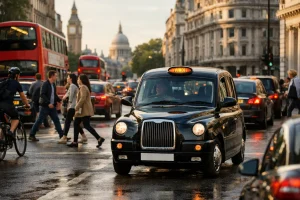
Several factors influence your potential income as a London cabbie. Understanding these helps you plan your working hours, vehicle investment, and peak activity to maximise earnings.
Your Working Hours and Schedule
Your income is directly tied to the number of hours you drive. Full-time drivers often work 40–60 hours per week, while part-timers earn proportionally less. Working evenings, nights, and weekends typically increases hourly earnings due to higher tariff rates.
Where Do You Work in London?
Central London, Heathrow, and tourist hotspots consistently offer higher fares. Suburban areas or quieter districts generally have fewer passengers and lower income potential. Cabbies often focus on busy stations, business districts, and high-traffic areas to increase revenue.
Seasonal Demand
Tourism and events affect earnings throughout the year. Summer months, Christmas, and major public events see spikes in passenger numbers, allowing for higher fares. Conversely, periods like early-year “kipper season” can be quieter, reducing daily income.
Your Experience and Reputation
Experience is a key factor. Drivers who know shortcuts, landmarks, and traffic patterns save time and earn more. Building a loyal customer base and providing excellent service can lead to repeat business and tips. A driver shared, “Knowing which routes avoid jams in rush hour adds hundreds to my weekly take.”
Additional considerations include:
- Vehicle ownership vs rental, affecting net profit
- Familiarity with TfL fare structures and peak times
- Strategic allocation of hours into high-demand periods
Your ability to combine knowledge of the city, passenger behaviour, and fare timing directly impacts your income potential, making skill and experience just as important as hours worked.
How Much Can You Earn Per Hour Driving a Black Cab in London?
Hourly earnings vary based on tariff, time of day, and location. On a typical weekday, daytime fares (Tariff 1) yield lower rates than evenings, weekends, or public holidays.
Tariff Typical Time Estimated Hourly Potential
Tariff 1 Weekday daytime ~£41 per hour
Tariff 2 Evenings & weekends ~£50 per hour
Tariff 3 Late nights & holidays ~£53 per hour
By focusing on Tariff 2 and 3 periods, you can earn more per hour without increasing your total driving time. Airport transfers and busy central London zones often fall under these higher tariffs, offering a reliable route to exceed average earnings.
Other insights:
- Longer shifts reduce fixed cost impact per hour
- Peak events provide short-term boosts in income
- Real cabbies note, “Even just three extra night shifts a week can add £500–£600 to my monthly take-home.”
Strategic scheduling, combined with knowledge of peak hours and high-demand areas, allows you to optimise hourly earnings and maintain consistent profitability.
What Expenses Reduce a Black Cab Driver’s Earnings?

While gross earnings look attractive, net income is affected by multiple expenses. Understanding these costs is essential to gauge realistic take-home pay.
Vehicle Purchase or Rental
Purchasing a new black cab can cost £60,000–£75,000, while rentals are around £360–£400 per week including insurance. Many drivers start with rental vehicles until they can afford ownership. Owning your cab reduces weekly fixed costs and increases net profit.
Insurance and Licensing
Taxi insurance in London is mandatory and often expensive due to passenger liability. You must also hold a valid TfL taxi licence, which requires regular vehicle inspections and fees.
Fuel or Electricity
Fuel or electricity costs fluctuate with weekly mileage. Diesel cabs have higher running costs, whereas electric models require upfront investment and charging infrastructure. Efficient route planning can significantly reduce this variable expense.
Maintenance and Repairs
Older vehicles incur higher maintenance costs, particularly if out of warranty. Regular servicing and unexpected repairs reduce weekly profit. Real drivers advise, “Owning a newer cab with warranty coverage is a game-changer for keeping expenses manageable.”
Other factors affecting net income:
- Peak-hour scheduling reduces the impact of fixed costs per hour
- Longer shifts spread fixed costs over more rides
- Airport transfers and busy weekends increase gross earnings to offset running costs
Being self-employed, you are responsible for all operating costs, including fuel, insurance, maintenance, and licensing. Accurate recordkeeping and strategic scheduling are crucial for maximising net earnings.
How Many Hours Do You Need to Work to Earn a Good Living?
To earn comfortably as a London cabbie, most drivers work 40–60 hours per week. How many hours you drive depends on your target net income, vehicle expenses, and fare strategy.
Example earning model:
- Hourly target: £40
- Fuel cost per hour: £5
- Fixed weekly costs: £400
Calculation:
- Break-even hours = 400 ÷ 35 ≈ 11–12 hours
- Additional hours = pure profit at £35 per hour
By focusing on higher tariffs and busy zones, you can reduce the number of hours needed for the same income. Part-time drivers may work fewer hours but need to accept lower total earnings.
Tips for efficient income:
- Concentrate on evenings, weekends, and public holidays
- Combine airport runs with central London jobs
- Minimise downtime between rides
A real cabbie mentions, “Shifting my schedule to peak hours made my income jump without increasing total hours.” By balancing fixed and variable costs, your weekly and annual earnings can be maximised efficiently.
What Is the Process to Become a Black Cab Driver in London?

Becoming a black cab driver in London requires dedication and preparation. The main step is passing “The Knowledge”, which involves memorising over 25,000 streets, landmarks, and routes.
Typical timeline and requirements:
- Training duration: 2–4 years
- Licensing: TfL taxi licence and vehicle inspection
- Vehicle requirements: Must meet TfL standards
Additional tips:
- Start with learning local areas and routes gradually
- Take practice runs with experienced drivers
- Study peak-hour routes for future earnings
Completing the Knowledge exam sets you up for a long-term career with the potential to earn above-average income while enjoying independence and job security.
What Are the Benefits of Being a Black Cab Driver in London?
Working as a black cab driver offers flexibility and independence. Being self-employed allows you to choose your hours and work in areas you prefer.
Key benefits include:
- Ability to pick up street passengers and repeat customers
- Flexible schedule for family or personal time
- Long-term career stability in a regulated market
- Potential for high earnings during peak hours
Drivers also enjoy social interaction with passengers and the pride of mastering the city. Experienced cabbies often highlight, “I love knowing every street and helping tourists navigate London, it’s rewarding both financially and personally.”
Other perks:
- Control over work-life balance
- Opportunity to build a loyal customer base
- Earning potential grows with experience
Overall, the combination of earning potential, autonomy, and job security makes black cab driving a compelling career option in London.
Is Becoming a Black Cab Driver in London Worth It?

If you are ready to invest time and effort, becoming a black cab driver in London can be highly rewarding. You gain independence, control over your schedule, and the potential for strong earnings.
However, consider the costs and time commitment required to pass The Knowledge and maintain a vehicle. While upfront investment and long working hours are demanding, experienced drivers report consistent income and long-term career satisfaction.
For those prioritising flexibility, high earning potential, and professional pride, this career is worth pursuing. A real cabbie notes, “After five years on the road, I earn well above average and still manage my own schedule, there is no other job like it.”
With strategic planning, peak-hour targeting, and commitment, you can make a living that is both financially and personally fulfilling.
Conclusion
In summary, black cab drivers in London earn between £30,000 and £50,000+ per year, depending on hours worked, experience, and peak-hour strategy.
Your income is influenced by tariffs, location, vehicle costs, and seasonal demand. While initial investment in training and a vehicle is significant, passing The Knowledge opens the door to a long-term, stable career with high earning potential.
Maximising earnings involves working strategically during evenings, weekends, and holidays, focusing on busy zones, and maintaining a loyal customer base. Self-employment gives you control over your schedule, allowing a balance between personal life and income.
Real drivers emphasise that preparation, dedication, and understanding the costs involved are crucial. If you are committed to the process, black cab driving in London offers financial rewards, autonomy, and a unique career experience that few other jobs can match.
FAQs
How much do black cab drivers earn in London per day?
Daily earnings vary widely, but most drivers make £150–£200 on average. Peak hours and airport runs can increase this to £250 or more.
Do black cab drivers earn more during weekends?
Yes, evening and weekend fares fall under higher tariffs, boosting hourly income. Busier passenger demand also increases earnings potential.
How much does it cost to buy a London black cab?
A new electric black cab costs around £60,000–£75,000. Rentals are an alternative at approximately £360–£400 per week, including insurance.
How long does it take to become a licensed black cab driver?
It usually takes 2–4 years to pass the Knowledge and meet TfL requirements. Training time depends on your learning pace and commitment.
Are London black cab drivers self-employed?
Yes, most are self-employed and cover their own expenses. This gives flexibility but requires careful cost management.
Do taxi drivers in London earn tips from passengers?
Tips are optional but common, especially from tourists and business travellers. Regular customers may tip for exceptional service.
Is driving a black cab a profitable career in London?
With experience, peak-hour targeting, and efficient scheduling, it can be highly profitable. Long-term earnings often exceed £50,000 per year for committed drivers.