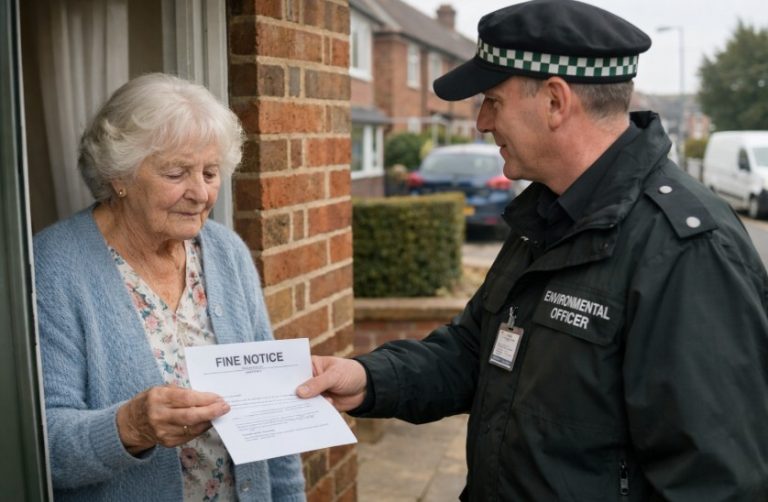

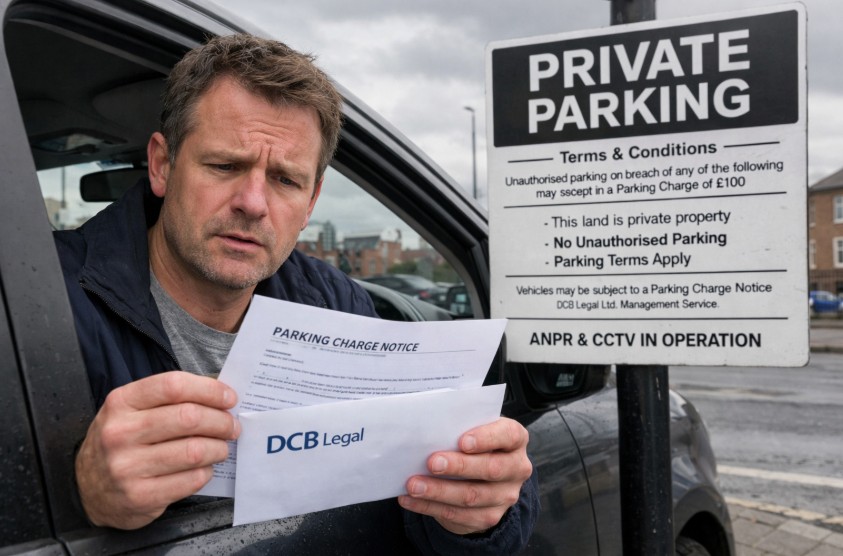
Yes, a DCB Legal parking fine may need to be paid in the UK, but only if it is legally valid and enforceable. DCB Legal acts for private parking companies, and while they do not issue fines themselves, they can take court action if an unpaid Parking Charge Notice meets legal requirements.
However, many motorists have the right to dispute the charge, especially where signage, procedures, or added fees are questionable.
Key points to know immediately:
- A DCB Legal parking fine is not the same as a council fine
- Ignoring letters can lead to court action and a CCJ
- Charges often rise from £100 to £250–£300
- Unclear signage, errors, or inflated fees may be challenged
- Responding early protects your legal and credit position
Understanding the facts is critical before paying or disputing.
Who Are DCB Legal and Why Are They Contacting You About a Parking Fine?
DCB Legal is a law firm that acts on behalf of private parking companies to recover unpaid Parking Charge Notices, commonly known as PCNs. They do not issue parking fines themselves.
Instead, they become involved when a private parking operator believes that a motorist has breached the terms and conditions of parking on private land and has failed to pay the charge within the required time.
Private parking companies manage car parks for landowners such as retail parks, residential developments, or commercial premises. When a vehicle is parked on this land, the displayed signs form the basis of a contract between the driver and the operator.
If the driver is alleged to have breached those terms, such as overstaying a time limit or failing to display a valid ticket, a PCN may be issued.
DCB Legal contacts motorists once the charge has escalated beyond reminder letters. Their involvement usually signals that the parking company is considering legal action to recover the money. The letters are designed to prompt a response, either payment or a formal dispute, before the matter progresses further.
Is a DCB Legal Parking Fine Legally Enforceable in the UK?
A DCB Legal parking fine is not the same as a council issued penalty, but it can still be legally enforceable under certain conditions. Private parking charges are based on contract law rather than statutory authority. This means enforceability depends on whether a valid contract existed and whether its terms were breached.
For a private parking charge to be enforceable, several factors must apply:
- Clear and visible signage must have been present, setting out the parking terms.
- The driver must have breached those terms.
- The amount charged must be proportionate and clearly stated.
- The parking operator must follow proper procedures when issuing the PCN and subsequent notices.
DCB Legal can pursue the charge through the county court if payment is not made. If a judge agrees that the contract was valid and breached, the court may order payment.
However, enforceability can be challenged if any part of the process was flawed. This is why understanding the basis of the claim is vital before deciding whether to pay or dispute the fine.
What Happens If You Ignore a DCB Legal Letter or Court Claim?
Ignoring a DCB Legal letter is one of the most common mistakes motorists make. While earlier debt collection letters from parking firms may sometimes be ignored without immediate consequences, a letter from DCB Legal often represents a more serious stage.
If no response is provided, the situation can escalate in the following ways:
- A Letter of Claim may be issued under the Pre Action Protocol for Debt Claims.
- A county court claim may be filed using the Money Claim Online system.
- Failure to respond to court papers can result in a default judgment.
A default judgment leads to a County Court Judgment, commonly called a CCJ. This can remain on a person’s credit file for up to six years, affecting the ability to obtain credit, mortgages, or even some types of employment. Ignoring the problem does not make it go away and often increases the financial and legal risks involved.
How Can You Verify If a DCB Legal Parking Fine Is Valid?
Before paying any DCB Legal parking fine, it is important to verify whether the claim is valid. Many parking charges are issued correctly, but others may contain errors or rely on questionable evidence.
Motorists should begin by carefully reviewing the details of the PCN and subsequent correspondence.
Key points to check include:
- The date, time, and location of the alleged contravention.
- Whether the vehicle registration number is accurate.
- Whether signage at the site was clear and readable.
- Whether the terms were breached as described.
Evidence plays a crucial role in verifying validity. Photographs of the signage, proof of payment, bank statements, or witness accounts can all help establish whether the charge is justified.
It is also important to consider whether the recipient was the driver at the time, as liability rules can differ depending on the circumstances. Verifying these details early can strengthen any challenge or defence that may be required later.
What Defences Can Be Used Against a DCB Legal Parking Fine?
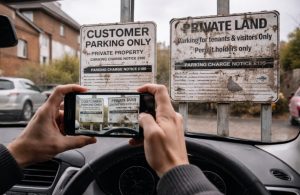
Challenging a DCB Legal parking fine is possible when there are legitimate grounds to dispute the claim. A strong defence is usually based on procedural errors, unclear contractual terms, or unfair charges. Understanding the most common defences helps motorists assess whether it is worth contesting the fine.
Can Poor Signage or Faulty Machines Be Used as a Defence?
Signage is central to any private parking contract. If the signs were unclear, poorly positioned, damaged, or difficult to read, it can be argued that no valid contract was formed. Drivers cannot reasonably agree to terms they could not see or understand.
Faulty payment machines can also support a defence. If a driver attempted to pay but was prevented by a malfunctioning machine or app failure, this may undermine the claim.
Evidence such as photographs, screenshots, or witness statements can be critical in demonstrating that the breach was not deliberate.
Is the Fine Enforceable if the PCN Has Wrong Details?
Errors on a PCN can weaken its enforceability. Incorrect vehicle registration numbers, wrong dates, inaccurate times, or unclear locations can all cast doubt on the reliability of the claim.
While minor errors may not always invalidate a charge, significant inaccuracies can suggest poor record keeping and raise questions about whether the contravention occurred as alleged.
A defence based on incorrect details focuses on fairness and accuracy. If the information does not clearly identify the incident, it may be unreasonable to expect payment.
Are Additional Fees and Admin Charges Lawful?
One of the most disputed aspects of DCB Legal parking fines is the addition of extra fees. Charges often increase from the original amount to several hundred pounds once legal and administrative costs are added.
These extra sums may be challenged if they were not clearly stated in the original contract displayed on the signage.
Courts have scrutinised whether such add ons represent genuine costs or unfair penalties. If the additional charges appear excessive or artificially inflated, they may not be legally recoverable. This defence focuses on proportionality and transparency within the original parking agreement.
What Are the Key Differences Between Council Fines and Private Parking Fines?
Understanding the difference between council issued fines and private parking fines is essential when dealing with DCB Legal. Although both may look similar, they are governed by very different rules.
Council fines, often called Penalty Charge Notices, are issued under statutory authority. They are backed by legislation and enforced through formal processes set out in law. Failure to pay a council fine can lead to enforcement action without the need for a county court judgment.
Private parking fines are contractual charges issued by private companies. They rely on the driver agreeing to terms by parking on private land. Enforcement requires the operator or their legal representative to prove the case in court if payment is disputed.
Key differences include:
- Legal basis, statutory law versus contract law.
- Appeals processes, formal tribunals versus internal procedures.
- Enforcement methods, automatic powers versus court action.
These distinctions explain why private parking fines often involve firms like DCB Legal and why motorists have more scope to challenge them.
How Much Can a DCB Legal Parking Fine Cost You?
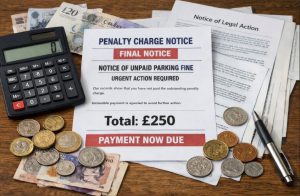
The cost of a DCB Legal parking fine can increase significantly over time, often catching motorists by surprise. What begins as a relatively modest charge can escalate into a substantial financial burden if not addressed promptly.
How Do £60 or £100 Fines Rise to £250 Plus?
Most private parking charges start at around £100, with a discounted rate of approximately £60 if paid within 14 days. If payment is not made within the initial period, the discount is lost and the full amount becomes due.
As time passes, additional costs may be added when the case is referred to debt recovery agents or solicitors. These added sums are often justified as administrative or legal costs. If court proceedings are issued, court fees and interest can further increase the total amount claimed.
What Extra Charges Does DCB Legal Add?
DCB Legal may include solicitor costs, court fees, and interest in the amount claimed. These charges can significantly inflate the total, sometimes pushing the figure to £250 or £300.
The justification for these additions is often based on terms stated on the original signage, although their enforceability may be disputed.
Can You Dispute the Added Legal Fees or Interest?
Disputing added fees is possible, particularly if they were not clearly outlined in the original contract. Courts may examine whether the extra charges reflect genuine costs or are simply designed to pressure payment. A well prepared defence can challenge the fairness and legality of these additional amounts.
Common DCB Legal Fine Scenarios and Cost Breakdown:
| Fine Scenario | Initial Fine (£) | After 14 Days (£) | After 28 Days (£) | With Legal Fees and Interest (£) |
|---|---|---|---|---|
| Overstayed free parking limit | £100 | £60 | £100 | £170 to £250 |
| Parked without a valid ticket | £100 | £60 | £100 | £170 to £250 |
| Didn’t display permit correctly | £100 | £60 | £100 | £170 to £250 |
| Ignored initial PCN and reminders | £100 | £60 | £100 | £250 to £300 |
| Case escalated to court claim | £100 | £60 | £100 | £300 plus with CCJ risk |
Can You Still Appeal a Parking Fine Once It’s Reached DCB Legal?

Once a parking fine has reached DCB Legal, the original appeal window has usually closed. Most PCNs allow 28 days for an initial appeal to the parking operator. After this period, the right to appeal internally is often lost.
However, this does not mean motorists have no options. If legal proceedings have not yet started, it may still be possible to dispute the debt by requesting evidence or highlighting flaws in the claim. Responding to a Letter of Claim can sometimes pause further action while issues are addressed.
Speaking directly to DCB Legal may also have limited benefits. While they act on instructions from the parking company, clear communication can help clarify the basis of the claim or identify whether a resolution is possible before court action begins.
What Should You Do Immediately After Receiving a DCB Legal Letter?
Acting promptly after receiving a DCB Legal letter can prevent unnecessary escalation. The letter should be read carefully, noting deadlines and the amount claimed.
Key steps to take include:
- Reviewing all details for accuracy.
- Gathering evidence such as photographs, receipts, or witness statements.
- Seeking independent advice if unsure about liability.
- Responding within the specified timeframe.
Completing and returning any reply forms within 30 days is particularly important. This can open a period for discussion or debt advice and may delay court action. Ignoring the letter removes these opportunities and increases the risk of legal consequences.
Can You Get Help from Legal Experts or Free Advice Services?
Help is available for motorists dealing with a DCB Legal parking fine. Legal experts and consumer advice organisations can provide guidance on whether a charge is valid and how to respond.
Free advice services in the UK offer impartial support, especially for those experiencing financial difficulty. These organisations can help interpret legal letters, explain rights, and assist with drafting responses.
In more complex cases, a solicitor can assess the strength of a defence and provide representation if court proceedings are issued. Seeking help early can reduce stress and improve outcomes.
Should You Ever Just Pay the Fine to Avoid Legal Trouble?

Paying a DCB Legal parking fine may sometimes be the simplest option, particularly when the charge is valid and the evidence is clear. Settling early can prevent further costs and remove the risk of court action.
However, paying without understanding the basis of the claim can also mean accepting unfair or inflated charges. Each case should be assessed on its own merits.
If there are genuine grounds for dispute, challenging the fine may be reasonable. The decision to pay or contest should be based on evidence, risk, and personal circumstances rather than fear alone.
Do You Have to Pay a DCB Legal Parking Fine?
Whether a DCB Legal parking fine must be paid depends on its validity and enforceability. If the parking contract was clear, the terms were breached, and the amount claimed is proportionate, payment may ultimately be required.
If there are flaws in signage, errors in the PCN, or unfair additional charges, the fine may be open to challenge. Motorists are not automatically obligated to pay simply because a legal firm is involved.
Understanding rights and responding appropriately is key to avoiding unnecessary costs and protecting one’s credit record.
Conclusion
Receiving a DCB Legal parking fine can be unsettling, but it does not mean that payment is inevitable. These charges arise from private parking contracts and must meet specific legal standards to be enforceable.
Ignoring the issue can lead to serious consequences, including court action and a CCJ, while rushing to pay may result in accepting unfair costs.
By understanding who DCB Legal are, why they are involved, and what options are available, motorists can respond with confidence rather than fear.
Verifying the claim, gathering evidence, and seeking advice where necessary can make a significant difference. An informed and timely response is the most effective way to manage a DCB Legal parking fine in the UK.
FAQs About DCB Legal Parking Fine
Is a DCB Legal parking fine the same as a council fine?
No, a DCB Legal parking fine is a private charge based on contract law. Council fines are issued under statutory authority.
Can ignoring a DCB Legal letter damage credit score?
Yes, ignoring court papers can result in a CCJ. A CCJ can affect a credit record for up to six years.
Can DCB Legal take you to court?
Yes, they can issue a county court claim on behalf of a parking company. This usually happens if earlier correspondence is ignored.
Are added legal fees always enforceable?
Not always, added fees may be challenged if they were not clearly stated in the original contract. Courts assess whether such charges are fair.
What if you were not the driver at the time?
The registered keeper may still be pursued if no driver was nominated. Liability rules depend on how the notice was issued.
Can faulty machines be used as a defence?
Yes, evidence of faulty machines or failed payment attempts can support a defence. Proof is essential to strengthen the argument.
Should legal advice be sought for every case?
Not every case requires a solicitor, but advice can be helpful for complex or disputed claims. Free advice services are often a good starting point.