
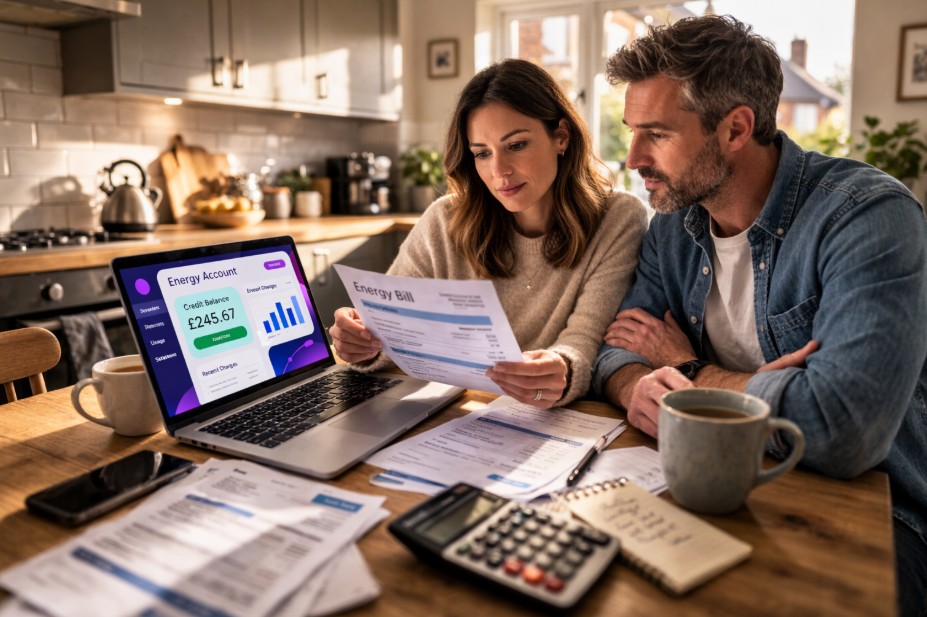
According to Martin Lewis, around £240 million is sitting unclaimed in closed UK energy accounts, and if you have switched suppliers in the past five years, your old Octopus Energy account could still hold credit. Suppliers will not usually chase you to return it, so you must take action yourself.
Here is what you need to know:
- Around two million energy accounts have been closed in five years
- Some households are owed more than £100
- Refunds are not always issued automatically
- New Ofgem rules may mean you qualify for £40 smart meter compensation
- Standing charge reforms in 2026 could affect what you pay
This martin lewis octopus energy advice could help you reclaim money and make smarter energy choices in 2026.
Why Is Martin Lewis Urging Octopus Energy Customers to Check Their Old Accounts?

Martin Lewis is urging you to check your old Octopus Energy account because millions of pounds remain unclaimed across the UK. Ofgem estimates that around £240 million is sitting in closed energy accounts, many belonging to customers who switched suppliers or moved home within the last five years.
Around two million accounts have been closed during that period. While most contain small balances, some hold more than £100 in credit. That money does not disappear, but it does not automatically return to you either.
Suppliers do not usually contact former customers to issue refunds. If you moved house and failed to update your contact details, or cancelled your direct debit before the final bill was processed, your credit may still be waiting. Martin Lewis says you must take the initiative and check, because no one else will do it for you.
Could You Be Owed Hundreds from a Previous Energy Supplier?
If you have switched from Octopus Energy, British Gas, EDF or another provider in the last five years, there is a real possibility that you are owed money. Ofgem data shows that credit balances often remain in dormant accounts after customers move or change tariffs.
This typically happens for several reasons:
- You moved home and did not provide updated contact details
- You switched supplier before your final statement was fully settled
- You cancelled your direct debit before the refund was processed
- Your final meter reading resulted in an overpayment
Most dormant accounts hold small sums, often just a few pounds. However, some contain more than £100. With £240 million unclaimed nationwide, even a modest refund could make a difference to your household budget.
Martin Lewis has repeatedly stressed that many people miss out simply because they assume everything is handled automatically. Just as with council tax discounts and other benefits, refunds are not always proactively issued. If you do not check, you may never know that the money is yours.
How Can You Check If You’re Due an Energy Refund?
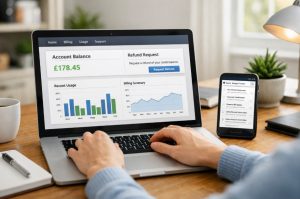
Checking whether you are owed money is straightforward, but you must be proactive. Martin Lewis advises you to start with your previous supplier and verify whether any credit remains in your old account. The method depends on whether you still have access to your login details.
If You Still Have Login Details
If you still have your username and password for your previous Octopus Energy or other supplier account, the process is simple.
Log into your online account and:
- Review your account balance
- Check your final statement
- Look for any credit shown
- Follow the refund request process if available
Most suppliers allow you to request a refund directly through your online dashboard. If credit is visible, you can usually transfer it back to your bank account after confirming your details.
Before requesting a refund, ensure your final meter readings were accurate and that no outstanding charges remain. If your balance shows as positive and your account is fully closed, that money belongs to you.
It is worth checking carefully, even if you believe the amount will be small. With millions of closed accounts across the UK, these small balances collectively add up to hundreds of millions of pounds.
If You Don’t Have Account Access
If you no longer have login details, you can still reclaim your credit by contacting your former supplier directly.
You can do this by:
- Calling customer services
- Using the contact form on the supplier website
- Messaging through official social media channels
When contacting them, you will usually need to provide:
- Your full name
- The address linked to the old account
- Current contact details
- Your previous account number if you have it
If you cannot remember which supplier you were with, search your email inbox for old energy correspondence. Try searching terms such as Octopus Energy, British Gas, EDF or energy bill. Old statements or welcome emails can help identify the provider.
Once your identity is verified, the supplier should confirm whether credit remains and explain how it will be returned. Processing times vary, but legitimate refunds are paid directly to your bank account.
Martin Lewis emphasises that you must initiate this process. Energy companies are not required to track you down years later, so checking yourself is essential if you want to reclaim what is yours.
What Has Martin Lewis Warned You About Energy Refund Scams?
While encouraging you to check for unclaimed credit, Martin Lewis has also issued a clear warning about scams. He stresses that legitimate energy suppliers do not usually contact former customers out of the blue offering refunds.
If someone approaches you claiming that you are owed money, you should proceed with caution.
Red flags include:
- Requests for bank details via unsolicited calls or emails
- Pressure to act immediately
- Links that do not match the official supplier website
- Messages asking for sensitive personal information
Martin Lewis advises that you should always contact your supplier directly using official contact details found on its website. Do not rely on links sent in unexpected messages.
Scammers often take advantage of high profile announcements about refunds and compensation. With £240 million reportedly unclaimed, fraudsters may attempt to exploit the situation.
By contacting your supplier yourself and avoiding unsolicited communications, you reduce the risk of identity theft. Being proactive does not mean being careless. Take control of the process, but do it safely and through verified channels only.
Are Octopus Energy Customers Eligible for £40 Smart Meter Compensation?
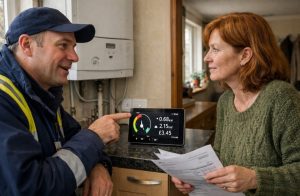
In addition to unclaimed credit, you may also be entitled to compensation under new Ofgem rules. Customers of Octopus Energy, British Gas, EDF and OVO may automatically receive £40 if certain smart meter standards are not met.
New Ofgem automatic compensation rules state that you should receive £40 in three situations:
- You wait more than six weeks for a smart meter installation appointment
- Your installation fails due to supplier error
- You report a smart meter fault and do not receive a resolution plan within five working days
The aim is to improve service standards and ensure that smart meters work properly from the start. Ofgem has confirmed that hundreds of thousands of faulty meters have already been repaired or replaced following compliance action.
If you experience any of these issues, the compensation should be automatic. You should not need to claim it separately. However, monitoring your account statements is wise to ensure the payment is applied.
Smart meters can provide more accurate bills and access to certain tariffs. If your installation or service falls short, this £40 payment is designed to protect you as a consumer.
What Are ‘Low or No Standing Charge’ Tariffs and Could They Save You Money in 2026?
Standing charges are the daily fees you pay simply for having gas and electricity connected, even if you use no energy. They currently make up more than £300 of the average annual bill.
Following campaigning and widespread complaints, Ofgem has confirmed that British Gas, EDF, E.ON and Octopus will trial low or no standing charge tariffs from 2026.
Key features include:
- At least £150 reduction in standing charges for dual fuel users
- Tariffs lasting one year
- Unit rates that must be reasonable
However, suppliers will set their own prices, and these tariffs will sit outside the Energy Price Cap. That means there is no strict upper limit on unit rates.
You may benefit if you are a low energy user. However, if your usage is high, higher unit rates could offset any standing charge savings. These tariffs are expected to launch from April 2026, with eligibility criteria set by each supplier.
How Do the New 2026 Energy Changes Affect Your Bills?
Energy changes in 2026 could alter how much you pay and how your bill is structured. The Government has confirmed that standing charges will fall by an average of £39 per year from April 2026 due to changes in how the Warm Home Discount scheme is funded.
This means:
- Standing charges should decrease slightly
- Unit rates may adjust to reflect funding changes
- Overall savings depend on your usage level
At the same time, low or no standing charge trials may offer alternative tariff options. Around 150,000 customers across participating suppliers are expected to be eligible initially.
Martin Lewis has welcomed reductions but warned that reforms have been delayed and adjusted over time. You should not assume that every change will automatically reduce your bill. Reviewing your tariff in light of these updates is crucial if you want to maximise savings in 2026.
Should You Switch Energy Supplier or Stay with Octopus Energy?

Deciding whether to switch or stay requires careful thought. The martin lewis octopus energy discussion highlights that the best option depends on your tariff, usage and risk tolerance.
Fixed vs Variable Tariffs in 2026
Fixed tariffs lock in a set unit rate for a defined period, giving you certainty over costs. Variable tariffs change in line with the Energy Price Cap, meaning your payments can rise or fall.
In 2026, with ongoing reforms and standing charge trials, fixed deals may offer stability. However, if the Price Cap falls, a variable tariff could become cheaper.
Price Cap Considerations
The Energy Price Cap limits what suppliers can charge on standard variable tariffs. It does not apply to every deal, especially low standing charge trials.
If you choose a tariff outside the cap, you must accept that prices are set by the supplier. Always compare the full annual cost rather than focusing on one element of the bill.
When Switching Makes Sense?
Switching may be worthwhile if:
- Your current tariff is significantly above market rates
- You find a competitive fixed deal
- You are eligible for a more suitable standing charge structure
Comparing offers across suppliers helps ensure you are not overpaying.
When Staying May Be Better?
Staying with Octopus Energy could be sensible if:
- You are already on a competitive tariff
- Exit fees apply to your current deal
- You value customer service or smart meter integration
Sometimes, stability and service quality outweigh marginal savings.
Importance of Usage Calculations
Before switching, calculate your annual consumption in kilowatt hours. Multiply this by the unit rate and add the standing charge to estimate total yearly cost.
Do not rely solely on headline savings claims. Your personal usage pattern determines whether a tariff genuinely saves you money. By analysing your own figures, you can make a confident and informed decision in 2026.
What Practical Steps Should You Take Today?
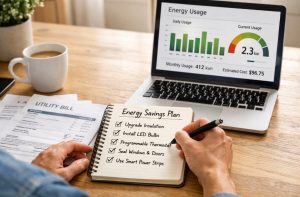
To act on martin lewis octopus energy advice, you should take several practical steps immediately.
Start by:
- Checking any old energy accounts for credit
- Contacting previous suppliers if necessary
- Reviewing your current tariff and unit rates
- Monitoring smart meter performance
You should also:
- Stay alert to scam communications
- Compare standing charge structures
- Track announcements about 2026 tariff trials
- Confirm whether compensation payments appear on your account
Small administrative tasks can lead to meaningful savings. Even a refund of £50 or £100 could ease pressure on your household budget.
Energy pricing remains complex, but taking control of your accounts and understanding your options places you in a stronger position. The sooner you check, the sooner you can reclaim what may already belong to you.
Conclusion
Martin Lewis has made it clear that you cannot afford to be passive when it comes to your energy bills. With £240 million sitting unclaimed in closed accounts and new compensation rules in place, you could be owed money without realising it.
By checking old accounts, verifying smart meter standards and reviewing upcoming tariff changes, you put yourself back in control. The martin lewis octopus energy advice is simple but powerful.
Take the initiative, verify your balances and assess your tariff carefully. In 2026, informed decisions could mean the difference between overpaying and keeping more of your money where it belongs.
FAQs
How long do energy suppliers keep unclaimed credit?
Energy suppliers retain credit on closed accounts until it is claimed or resolved through their internal processes. There is no automatic expiry within a short timeframe, so you should check even if several years have passed.
Can you claim money from an energy account closed years ago?
Yes, you can contact your former supplier and request any remaining credit from a closed account. You will need to verify your identity and provide the address linked to the account.
What happens if an energy company goes bust?
If a supplier collapses, Ofgem appoints a new supplier to take over customers. Credit balances are usually protected, but you should still check statements carefully.
Are standing charges going to be removed completely?
Standing charges are not being fully removed across the market. Some trial tariffs may reduce them significantly, but unit rates may increase instead.
Do you automatically get smart meter compensation?
Under new Ofgem rules, eligible customers should receive £40 automatically if service standards are not met. You should monitor your account to ensure the payment is applied.
Is Octopus Energy cheaper than other suppliers in 2026?
Prices vary depending on tariff type and usage. You should compare total annual costs rather than assuming one supplier is always cheaper.
How do you calculate if a low standing charge tariff is worth it?
Multiply your annual usage by the unit rate and add the standing charge to estimate total cost. Compare this figure with your current tariff to see if you would save money.