
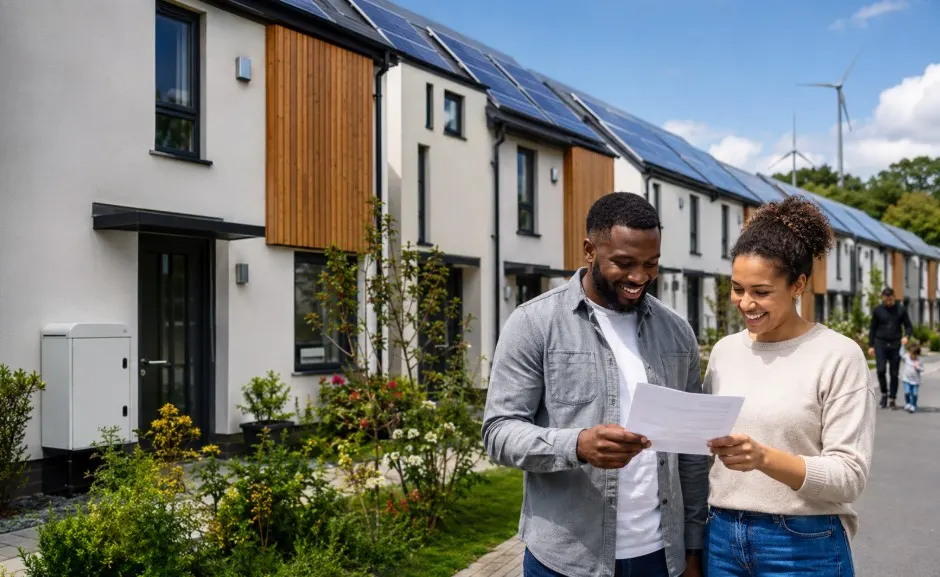
Rising energy costs continue to place pressure on households across the UK, particularly those living in social housing. The Octopus Energy Social Housing Tariff, known as Tenant Power, aims to address this challenge by helping eligible tenants reduce electricity bills while supporting housing associations in expanding renewable energy projects.
Designed for homes equipped with solar panels and battery storage, the scheme could save tenants an average of £200 per year, with even greater savings possible in some cases.
Key Takeaways:
- Social housing tenants could save around £200 annually on electricity bills.
- The tariff works alongside solar panels and battery storage systems.
- Housing associations can generate income from exported energy.
- Additional technologies such as heat pumps may increase savings.
- Octopus Energy aims to expand the scheme to 10,000 homes by the end of 2026.
What Is the Octopus Energy Social Housing Tariff and Why Is It Making Headlines?
The Octopus Energy Social Housing Tariff, branded as Tenant Power, is the UK’s first energy tariff specifically designed to share the benefits of renewable energy between social housing tenants and landlords.
Historically, housing associations that invested in solar panels and batteries often struggled to create a financial model that benefited both parties. In many cases, tenants received limited savings, while landlords had little incentive to fund further green upgrades.
Tenant Power changes this dynamic by providing tenants with a discounted electricity rate while allowing landlords to earn revenue from surplus electricity exported back to the grid. This creates a more sustainable model for expanding renewable technology across social housing developments.
“Solar panels and batteries should be a no-brainer for social housing, but until now the economics haven’t worked well enough.” — Nigel Banks, Zero Bills Director at Octopus Energy
How Does Octopus Energy’s Tenant Power Tariff Work for Social Housing Tenants?
The Octopus Energy Social Housing Tariff, called Tenant Power, is designed to help both tenants and landlords benefit from renewable energy investments.
The scheme supports social housing properties with solar panels and battery storage, allowing tenants to access discounted electricity rates through on-site renewable energy.
At the same time, housing associations can generate returns to support future sustainability and energy-efficiency projects
Solar Panels, Battery Storage and Discounted Electricity Rates
Participating homes are fitted with solar panels and battery storage systems. During daylight hours, solar panels generate electricity that can be used within the property or stored for later use.
Tenants who join the tariff receive a fixed discount on their electricity unit rate compared to standard variable tariffs. This discount remains consistent throughout the year, providing predictable savings even during periods of higher energy prices.
How Is Excess Renewable Energy Used to Generate Value?
When more electricity is generated than the household requires, excess energy is stored in the battery. During peak demand periods, this stored electricity can be exported to the national grid.
The exported energy creates revenue for housing associations, helping offset installation costs and fund future renewable energy projects.
The Tenant Power Process Explained Step by Step
Tenant Power follows a simple process that combines renewable energy generation with discounted electricity pricing for social housing tenants.
How the tenant power process works:
| Step | Action | Outcome |
|---|---|---|
| 1 | Housing association installs solar panels and battery storage systems | Renewable energy generation begins |
| 2 | Tenant joins the Octopus Energy Tenant Power tariff | Access to discounted electricity rates |
| 3 | Household uses solar-generated and stored electricity | Lower electricity bills and reduced reliance on the grid |
| 4 | Excess electricity is exported to the national grid | Revenue generated for housing providers |
This process creates benefits for both tenants and housing providers by reducing bills while supporting future sustainability investments.
Who Is Eligible for the Octopus Energy Social Housing Tariff?
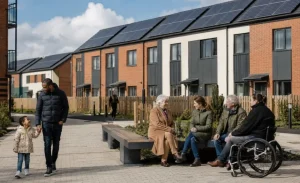
The scheme is currently aimed at social housing properties where housing associations or local authorities have installed approved solar panel and battery systems.
Eligibility generally depends on:
- Living in a participating social housing property
- Having solar panels and compatible battery storage installed
- Being supplied through the approved Octopus Energy arrangement
- Meeting the housing provider’s participation criteria
As the scheme expands, more housing associations and councils may join. The first Welsh rollout was launched through a partnership with United Welsh, with Octopus Energy targeting 10,000 participating homes by the end of 2026.
For tenants whose housing provider is not currently participating, contacting the housing association and expressing interest may help encourage future adoption.
How Much Could Tenants Save Through the Octopus Energy Social Housing Tariff?
One reason for growing interest in the Octopus Energy Social Housing Tariff is its potential to reduce household energy bills. As energy prices remain high, even moderate savings can help social housing tenants manage costs more effectively.
Octopus Energy estimates eligible tenants could save around £200 per year on average compared with standard electricity tariffs. Actual savings depend on property type and energy usage.
Understanding the Average £200 Annual Saving
The estimated £200 yearly saving comes from discounted electricity rates through the Tenant Power tariff. Octopus says participating households may receive electricity prices around 25%–30% lower than standard variable tariffs, depending on the setup and housing provider agreement.
Unlike some solar arrangements where savings vary significantly, Tenant Power uses a fixed discount model, helping create more predictable energy bills throughout the year.
To put the potential savings into perspective:
| Scenario | Estimated Annual Saving |
|---|---|
| Standard Tenant Power home | Around £200 per year |
| Discount level | Approximately 25%–30% lower electricity rates |
| Compared with standard variable tariffs | Lower year-round costs |
| Protection from rising prices | Fixed tariff discount provides stability |
These savings can help improve energy affordability and offset rising living costs.
Can Savings Increase When Heat Pumps Are Added?
Adding technologies like heat pumps can increase savings beyond the standard setup of solar panels and battery storage.
Octopus Energy says homes with solar panels, batteries, and heat pumps could save around £432 annually. Heat pumps use electricity more efficiently, helping households maximise renewable energy usage and reduce overall costs.
As housing associations invest in low-carbon technology, some tenants may benefit from systems that deliver greater long-term savings.
Factors That Influence Individual Energy Bill Reductions
Although average savings figures provide a useful benchmark, actual bill reductions can vary from one household to another.
Actual savings vary between households depending on several factors:
| Factor | Impact on Savings |
|---|---|
| Solar panel capacity | Larger systems generate more electricity |
| Battery size | Higher storage increases solar usage |
| Household energy use | Usage patterns affect savings |
| Heat pump installation | Can significantly increase savings |
| Energy market prices | Higher rates increase tariff value |
Although savings vary between households, the tariff provides a valuable buffer against future energy price increases.
Why Are Housing Associations and Local Councils Supporting Tenant Power?

Housing associations and local councils support Tenant Power because it creates stronger financial incentives for renewable energy investment while helping residents reduce energy costs.
The scheme addresses a long-standing challenge where upfront installation costs often limited financial returns for social landlords.
Key benefits include:
- Revenue from exported electricity
- Improved returns on renewable energy investments
- Additional funding opportunities for future upgrades
- Support for decarbonisation targets
- Reduced fuel poverty among residents
- Lower household energy costs
- Greater access to clean energy technologies
- Reduced carbon emissions
- Improved energy resilience
“Initiatives such as the Tenant Power tariff are an innovative way to fund more property upgrade work while residents benefit from lower bills.” — Richard Mann, Group Chief Executive at United Welsh
Overall, the model helps combine environmental goals with practical financial benefits for both tenants and housing providers.
What Benefits Does the Octopus Energy Social Housing Tariff Offer Beyond Lower Bills?
The Octopus Energy Social Housing Tariff delivers more than lower electricity bills by creating benefits across affordability, sustainability, energy security, and future housing improvements
Key Benefits for Tenants and Housing Providers:
| Benefit Area | Tenant Advantage | Landlord Advantage |
|---|---|---|
| Energy Costs | Lower electricity bills | Higher tenant satisfaction |
| Sustainability | Access to renewable energy | Supports net-zero goals |
| Future Upgrades | Potential access to new technologies | Additional investment funding |
| Energy Security | Reduced exposure to market volatility | More resilient housing stock |
The scheme also supports broader UK policy goals focused on reducing carbon emissions and improving energy efficiency in housing.
As the Future Homes Standard and various retrofit programmes continue to evolve, initiatives such as Tenant Power may become increasingly important within the social housing sector.
“Anything we can learn around reducing energy bills in the future through technology retrofit is advantageous to both housing providers and residents.” — Richard Cook, Chief Development Officer at Clarion Housing Group
These wider benefits demonstrate why the initiative is attracting attention beyond immediate bill reductions.
What Challenges or Limitations Should Tenants Understand Before Joining?
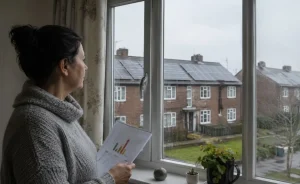
Although the tariff offers clear benefits, tenants should understand some practical limitations. Solar generation decreases during winter, meaning homes may rely more on grid electricity during low sunlight periods. Savings also vary depending on household energy use and system size.
Property suitability is another factor, as not all buildings have enough roof space or suitable conditions for solar installations. Housing associations must also consider installation costs and long-term viability.
Government policies, market conditions, and future renewable incentives may influence how these schemes develop. Understanding these factors helps tenants set realistic expectations while recognising the potential benefits.
Could Tenant Power Transform the Future of Social Housing Energy Costs in the UK?
Growing adoption of solar panels, battery storage, and heat pumps suggests renewable-powered housing is becoming more mainstream.
Tenant Power stands out because it creates financial benefits for both tenants and housing providers while addressing barriers that have slowed renewable adoption in social housing. Pilot projects and wider energy initiatives show increasing momentum behind these models.
As technology costs fall and decarbonisation support increases, more housing associations may see similar schemes as a practical way to reduce fuel poverty and improve housing efficiency
Conclusion
The Octopus Energy Social Housing Tariff offers an innovative way to reduce energy costs for eligible tenants through discounted electricity rates, solar power, and battery storage.
Average savings of around £200 per year, with potential for higher savings when combined with heat pumps, provide valuable support during ongoing energy uncertainty.
Although availability is currently limited, planned expansion across more homes could make Tenant Power an important part of the UK’s move toward affordable and sustainable energy solutions.
FAQs About Octopus Energy Social Housing Tariff
Is the Tenant Power tariff available to private renters?
No. The scheme is currently designed specifically for participating social housing properties operated by housing associations or local authorities.
Do tenants need to pay for the solar panels or battery installation?
In most cases, installation costs are managed by the housing provider rather than individual tenants.
Can tenants leave the tariff if they choose another energy supplier?
Terms may vary depending on the housing provider and tariff arrangement, so tenants should review participation conditions carefully.
How many homes are expected to join the scheme?
Octopus Energy has stated an ambition to reach approximately 10,000 homes by the end of 2026.
Does the tariff help reduce fuel poverty?
Yes. Lower electricity costs can help reduce financial pressure on households that spend a significant portion of income on energy bills.
Are heat pumps required to join Tenant Power?
No. The tariff works with solar panels and battery storage, although heat pumps may increase overall savings.
Can tenants encourage their housing association to participate?
Yes. Octopus Energy provides information that tenants can share with their housing association to express interest in joining the programme.