
Car Station Suffolk Ltd, a used-car dealership formerly based in Halesworth, entered creditors’ voluntary liquidation on 29 January 2026, less than two years after incorporation.
Reports say it owed £50,673.30 to 17 creditors and had no assets available for realisation. Customers and suppliers should now check whether they are owed money and whether card, finance, warranty or liquidation protections apply.
Key Facts:
| Detail | Confirmed Or Reported Position |
|---|---|
| Company | Car Station Suffolk Ltd |
| Company number | 15755347 |
| Former trading location | Halesworth, Suffolk |
| Business activity | Sale of used cars and light motor vehicles |
| Incorporation date | 2 June 2024 |
| Liquidation commencement | 29 January 2026 |
| Reported liabilities | £50,673.30 |
| Reported creditors | 17 |
| Reported assets | None |
| Liquidator | Richard Cacho |
| Current company status | Liquidation |
The table separates facts confirmed by the public register from financial figures reported from the filed statement of affairs.
What Happened to the Suffolk Car Dealership?
Car Station Suffolk Ltd entered creditors’ voluntary liquidation, a formal insolvency process generally used when a company cannot pay its debts and its shareholders agree that it should be wound up.
This is more specific than saying that the dealership closed, stopped selling cars or went out of business.
Liquidation places the company’s affairs under the control of an authorised insolvency practitioner, who examines its financial position, considers creditor claims and manages the company towards eventual closure.
The company’s registered business activity was the sale of used cars and light motor vehicles.
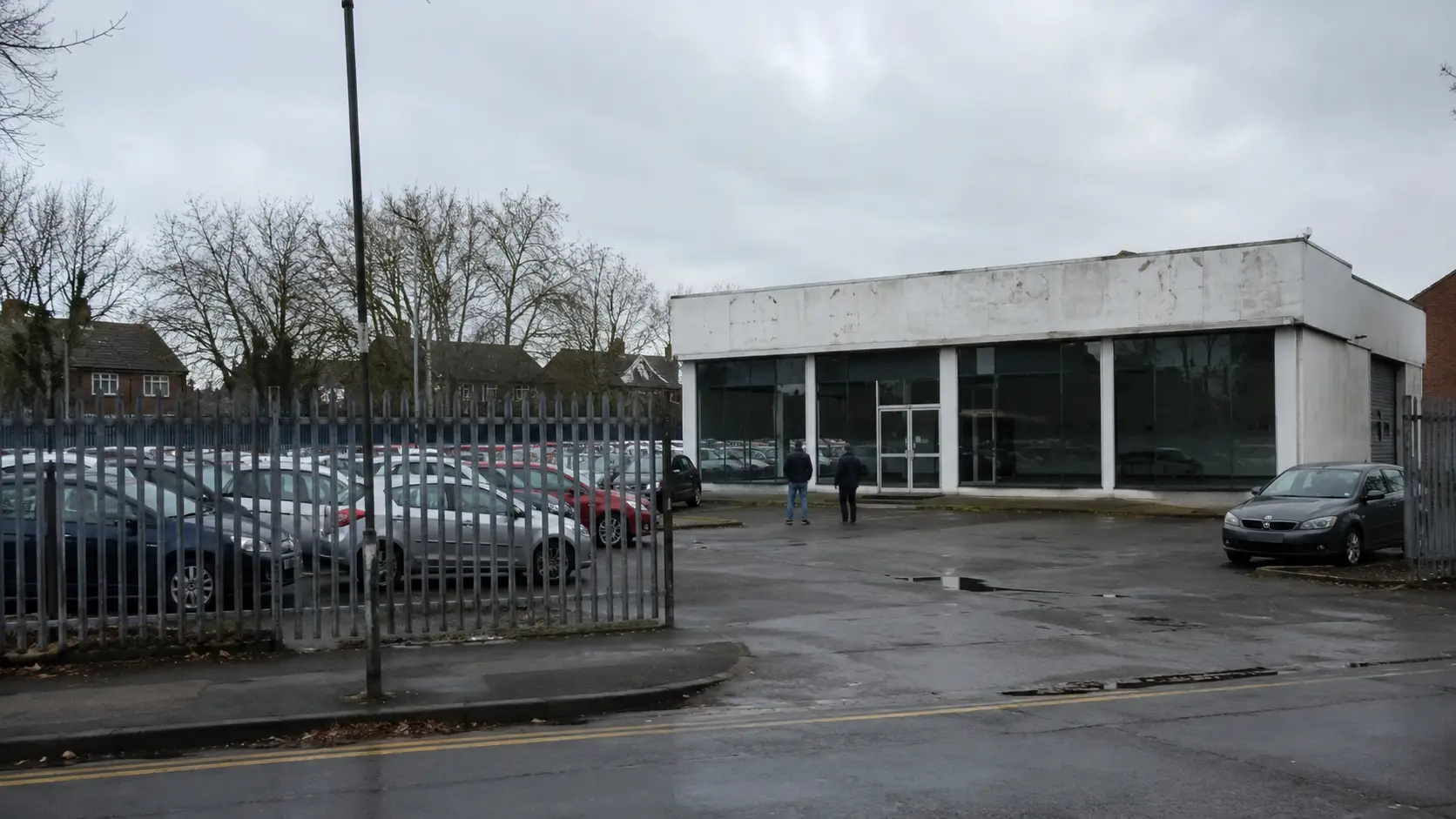
Although its registered office was later moved to an address in Norwich connected with the insolvency process, its former operating address was on Halesworth Road in Halesworth.
The company has not merely been marked dormant or voluntarily struck off. Its recorded status remains “Liquidation”, which means the formal winding-up process has not yet been replaced by dissolution on the public register.
When Did Car Station Suffolk Ltd Enter Liquidation?
The formal commencement date was 29 January 2026, although several associated documents appeared on the public register during February.
This distinction matters because the date a document is uploaded is not necessarily the date on which the underlying decision or appointment took effect.
Liquidation Timeline
- The company was incorporated on 2 June 2024.
- Eddy Lee Ellis was appointed as a director on 1 March 2025.
- Jacob Ladd resigned as a director on 21 May 2025.
- Jacob Ladd ceased to be a person with significant control on 1 June 2025.
- The winding-up resolution and liquidator appointment took effect on 29 January 2026.
- The statement of affairs and appointment documents were filed on 6 February 2026.
- The winding-up resolution was filed on 9 February 2026.
- The registered office moved to the Norwich address on 16 February 2026.
These dates show that the business moved from incorporation to liquidation in approximately 20 months.
How Much Did the Dealership Owe When It Went Bust?

The Reported Debt And Creditor Position
The company’s official company filing history confirms that a statement of affairs was filed on 6 February 2026.
Reporting based on that document placed total liabilities at £50,673.30, spread across 17 creditors, many of whom were described as trade creditors.
A trade creditor could be a vehicle supplier, service provider, professional adviser, landlord or another business that supplied goods or services without receiving full payment.
The creditor count should not therefore be interpreted as 17 affected car buyers.
Why Does A Zero-Asset Position Matter?
The statement of affairs was reported as recording no assets available for the liquidation. In insolvency terms, that indicates that no meaningful property, cash, stock or recoverable value was identified for the liquidator to realise at that stage.
It does not necessarily mean that the company never owned vehicles, equipment or other assets. Stock may previously have been sold, financed, subject to third-party ownership, returned or otherwise unavailable to the insolvent estate.
Prospects For Creditor Repayment
When an insolvent company has no available assets, unsecured creditors face a significant risk of receiving little or no repayment. Liquidation expenses and claims with legal priority are normally considered before ordinary unsecured debts.
However, the final position depends on the liquidator’s work.
Additional funds could theoretically arise from recovered debts, insurance, legal claims or transactions that require further examination, so a final creditor outcome should not be presented as certain before the process concludes.
What Do the Filings Reveal About Why the Dealership Failed?
The available records confirm the liquidation and document the company’s reported financial position, but they do not provide a complete explanation of why the dealership became insolvent.
The filing history records an “Extraordinary resolution to wind up” dated 29 January 2026. That is an official description of the resolution rather than a public explanation from a company spokesperson.
No attributable public statement from the company, its listed director or the liquidator explaining the underlying causes was found in the official records reviewed for this article.
It would therefore be unsafe to claim that the failure resulted from vehicle prices, weak customer demand, management decisions, tax debts, stock finance or any other specific factor.
Cash-flow problems, funding costs, unpaid liabilities and narrow margins can affect independent dealerships generally, but those are contextual risks rather than confirmed causes in this case.
A more definitive explanation would require an attributable liquidator’s report, director statement or other documentary evidence.
Who Was Running Car Station Suffolk Ltd Before the Liquidation?
 Jacob Ladd was appointed as a director when Car Station Suffolk Ltd was incorporated on 2 June 2024.
The register also recorded him as a person with significant control through ownership of at least 75% of shares and voting rights, together with the right to appoint or remove directors.
Eddy Lee Ellis joined the company as a director on 1 March 2025. Ladd resigned as a director on 21 May 2025 and ceased to be recorded as a person with significant control from 1 June 2025.
Ellis remained the active listed director when the company entered liquidation.
These records establish the documented leadership timeline, but they do not prove that either individual caused the insolvency or acted improperly.
A limited company’s debts are ordinarily separate from a director’s personal finances unless a personal guarantee, misconduct finding or another legal exception applies.
No conclusion about personal liability should therefore be drawn solely from a directorship or ownership entry.
What Does the Suffolk Dealership Collapse Mean for Customers?
Customers Awaiting Vehicles Or Documents
Customers may be affected differently depending on whether they paid a deposit, completed a purchase, received the vehicle or were still waiting for documents such as the V5C, service records, spare keys or warranty information.
Anyone with an unfinished transaction should preserve the purchase invoice, order form, vehicle advertisement, bank statement or card statement, finance agreement and all messages exchanged with the dealership.
Customers who already have a vehicle should also establish whether any warranty was provided by the dealership, a manufacturer or a separate administrator.
Liquidation does not automatically cancel a manufacturer-backed warranty, independent warranty policy or motor-finance agreement. Those arrangements are governed by their own providers and contract terms.
What Should Deposit Holders Do First?
Affected customers should take prompt, documented action rather than relying on unanswered calls to the former trading premises.
Immediate Customer Steps
- Keep copies of every payment and contractual document.
- Contact the liquidator using the address in the official case record.
- Notify the card issuer or finance provider of the insolvency.
- Explain whether the vehicle was delivered and what remains outstanding.
- Ask whether Section 75, chargeback or finance-related rights may apply.
- Record the date, reference number and outcome of every conversation.
The card payment protection guidance explains that chargeback and Section 75 are separate mechanisms with different conditions. Neither route guarantees a refund, but acting promptly can protect a customer’s ability to pursue a claim.
What Should You Do If Car Station Suffolk Owes You Money?
Answer three quick questions to identify the recovery routes, evidence and immediate actions that may be relevant to your situation.
Your action checklist
0 completedImportant: This checker provides general information only. It does not confirm legal eligibility, responsibility or the likelihood of repayment. Customers and creditors should verify their position with the relevant card issuer, finance provider, warranty administrator, liquidator or professional adviser.
What Rights Could Affected Car Buyers Still Have?

Customer rights depend on what was purchased, how payment was made, whether the vehicle was supplied and which business legally provided the credit or warranty.
Section 75 of the Consumer Credit Act 1974 may allow a qualifying customer to claim against a credit provider for a supplier’s breach of contract or misrepresentation.
It generally applies where the cash price of a single item exceeds £100 but does not exceed £30,000 and the required relationship between the customer, creditor and supplier exists.
A deposit paid by credit card may potentially bring the full qualifying purchase within scope, but the contractual structure still matters.
Chargeback is different. It is a card-scheme process rather than an automatic statutory right, and banks may apply scheme-specific evidence requirements and time limits.
Guidance indicates that customers commonly have around 120 days, although the start date can depend on when goods were expected or when the problem became apparent.
Possible Recovery Routes
| Payment Or Contract Type | Possible Route | Important Limitation |
|---|---|---|
| Credit card | Section 75 or chargeback | Eligibility depends on value and contractual links |
| Debit card | Chargeback request | Scheme rules and time limits apply |
| Bank transfer | Creditor claim or bank enquiry | No automatic card protection |
| Hire purchase or conditional sale | Complaint to finance provider | Provider and agreement terms matter |
| Independent warranty | Claim to warranty administrator | Cover depends on policy wording |
| Cash payment | Claim in liquidation | Recovery may be limited by available assets |
The most suitable route depends on the individual evidence, so customers should avoid assuming that another buyer’s outcome will automatically apply to them.
What Happens Next in the Liquidation Process?
The Liquidator’s Role
The formal insolvency case details identify Richard Cacho as the practitioner appointed on 29 January 2026.
The liquidator’s role includes taking control of the winding-up process, reviewing the company’s records and identifying assets, liabilities and valid creditor claims.
The practitioner may also review transactions made before liquidation and consider whether money or property can lawfully be recovered.
The existence of that power does not mean that any recoverable transaction or wrongdoing has been identified in this case.
How Can Creditors Submit A Claim?
A creditor will normally need to provide evidence showing why the company owes money and how the claimed amount was calculated.
Useful Claim Evidence
- Unpaid invoices or account statements.
- Signed contracts or vehicle order forms.
- Deposit and payment confirmations.
- Delivery records and correspondence.
- Credit notes or agreed refund messages.
- Details of any security or personal guarantee.
- A clear calculation of the outstanding balance.
Submitting evidence establishes a creditor’s claim for consideration, but it does not guarantee payment. The amount recovered ultimately depends on available funds, the legal ranking of claims and the costs of administering the liquidation.
Future Filings And Final Closure
Further records may be added as the liquidator progresses the case. These could include reports, notices, accounts, changes to practitioner details or final documentation.
Liquidation and dissolution are separate stages. Liquidation is the process of winding up the company’s affairs, while dissolution removes the company from the register after the required process has concluded.
Readers should therefore check the latest status rather than treating the February 2026 filings as the final outcome.
What Does This Collapse Mean for Suffolk’s Used-Car Market?
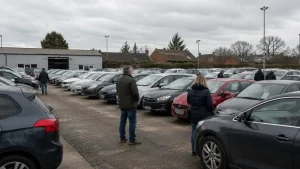
The liquidation has a direct effect on the dealership’s creditors and any customers with unresolved transactions. It may also create short-term disruption for suppliers or service providers that relied on the business.
However, one small dealership entering liquidation does not establish that Suffolk’s entire used-car sector is in crisis.
No wider regional conclusion should be drawn without evidence showing dealership failures, insolvency rates, stock costs and trading conditions across the county.
The case does highlight practical risks buyers can reduce before placing a deposit with an independent dealer. A strong online rating may indicate that previous customers were satisfied, but it does not provide evidence of current solvency.
Buyers can protect themselves by checking the exact legal company name, obtaining written terms and understanding who supplies any warranty.
Using a payment method with potential consumer protection can also be important, particularly where a vehicle has not yet been delivered.
These checks cannot eliminate commercial risk, but they can leave buyers with clearer evidence and more possible recovery routes.
Conclusion
The Suffolk car dealership goes bust story concerns Car Station Suffolk Ltd, a Halesworth used-car business that entered creditors’ voluntary liquidation less than two years after incorporation.
The company reportedly owed £50,673.30 to 17 creditors and recorded no available assets. Its winding-up began on 29 January 2026, and the company remains listed as being in liquidation.
The available evidence confirms the insolvency but does not conclusively explain why the dealership failed.
Customers and creditors should retain all relevant records, contact the appointed liquidator and speak promptly with their card issuer, finance provider or warranty administrator where applicable.
Frequently Asked Questions
Where Was Car Station Suffolk Ltd Based?
The dealership’s former operating and correspondence address was on Halesworth Road in Halesworth, Suffolk. Its registered office was changed to 64–66 Westwick Street, Norwich, during the liquidation process.
Can A Dealership In Liquidation Reopen Under The Same Company?
That should not be assumed. A company in liquidation is being wound up, and any lawful continuation or sale of its business would depend on the liquidator, available assets and the circumstances of the case.
Does A Manufacturer’s Vehicle Warranty Continue After A Dealer Closes?
A manufacturer-backed warranty may continue because it is provided by the vehicle manufacturer rather than the dealership. Customers should check the warranty terms and contact the named provider directly.
Can Section 75 Cover A Deposit Paid By Credit Card?
Potentially, provided the purchase and credit arrangement satisfy the legal requirements. The cash price of the item, contractual relationships and payment structure are more important than the size of the deposit alone.
What Records Should Affected Customers Keep?
Customers should retain invoices, order forms, payment evidence, finance contracts, vehicle advertisements, warranty documents, inspection reports and all correspondence about delivery, repairs or refunds.
Are Directors Personally Responsible For Dealership Debts?
Not automatically. A limited company is a separate legal entity, although personal guarantees, wrongful conduct or other legally established circumstances can potentially create personal liability.
Can Online Reviews Show Whether A Dealership Is Financially Secure?
No. Reviews may describe customer service or vehicle quality, but they do not reliably reveal cash flow, unpaid liabilities, asset ownership or the company’s current ability to pay debts.
Note
“Goes bust” is used because it reflects the main search query, while creditors’ voluntary liquidation is the accurate legal description. The reported debt, creditor and asset figures are attributed to coverage based on the filed statement of affairs.
No fraud, misconduct or personal responsibility is alleged without supporting evidence. This article provides general information and does not replace legal or financial advice.