
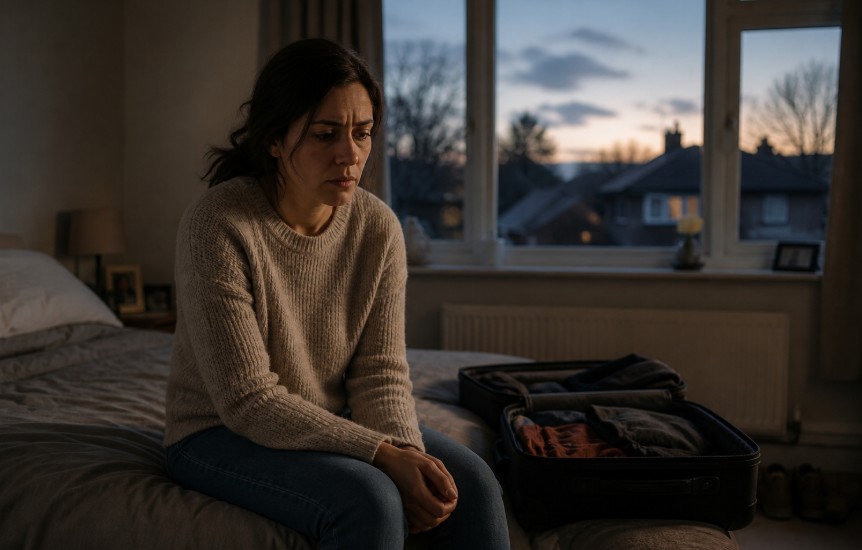
If you’re thinking, “I want to leave my husband but have nowhere to go,” the most important thing to know is this: you do have options in the UK, even if it doesn’t feel like it right now. You may be entitled to emergency housing, legal protection, and financial support. The key is taking one safe, manageable step at a time rather than trying to solve everything at once.
Key takeaways:
- You can approach your local council for emergency accommodation if staying isn’t safe
- You are not considered intentionally homeless if leaving due to abuse or risk
- Legal options may allow you to stay in your home instead
- Support services like Shelter and Citizens Advice can guide you confidentially
- Planning even small steps can give you control and safety
What Does “I Want to Leave My Husband but Have Nowhere to Go” Really Mean in the UK Context?

In the UK, feeling like you have “nowhere to go” often doesn’t literally mean there are no options. It usually reflects a mix of financial dependence, housing uncertainty, and emotional overwhelm. Many people in this situation are unsure about their legal rights, especially around tenancy, ownership, or access to emergency housing.
This phrase also commonly relates to concerns about safety. For some, it may involve domestic abuse or coercive control, where leaving feels risky without a clear plan.
UK housing law recognises this reality. If it is not reasonable for you to stay in your home due to risk or harm, councils are required to assess your situation and may offer support.
It’s also important to understand that “nowhere to go” can include fear of losing stability, especially if children, finances, or immigration status are involved.
This is why guidance from organisations like Shelter focuses on both immediate safety and long-term housing solutions, helping you move from uncertainty to practical next steps.
Are You Safe Right Now and What Should You Do First?
Your immediate safety matters more than anything else. If you feel at risk, your first step should be protecting yourself, even if that means making very small, discreet changes.
If you are in immediate danger, contacting emergency services is critical. If the situation is less urgent but still concerning, start by creating a simple safety plan that you can act on quietly.
Practical first steps include:
- Identifying one trusted person you can contact quickly
- Keeping essential items (ID, medication, bank cards) accessible
- Using a secure or alternative device if you believe your phone is monitored
- Adjusting privacy settings on apps and turning off location sharing
- Saving important contact numbers under neutral names
One housing adviser explained it clearly:
“You’re not expected to solve everything overnight. The first step is always about safety and reducing immediate risk.” They also noted that many people delay action because they feel unprepared, but even a small step can create momentum.
It’s also worth knowing that UK support systems are designed to respond to situations like this. You don’t need to have a complete plan before asking for help. Speaking to organisations such as Citizens Advice can help you understand your next safe move without pressure.
What Are Your Immediate Housing Options If You Have Nowhere to Go?

When you feel stuck, the focus should not be on finding the perfect solution but on finding the next safe and realistic option. In the UK, several pathways exist depending on your situation.
Can the Council Provide Emergency Housing if You Leave Your Husband?
Yes, your local council may have a legal duty to help if you are homeless or at risk of homelessness. This includes situations where staying in your home is unsafe.
If you explain that it is not reasonable for you to remain due to risk or abuse, the council must assess your case. In some situations, they may provide interim accommodation while they review your eligibility.
Key points to understand:
- You may qualify for priority need, especially if children or safety risks are involved
- Emergency accommodation can include hostels, temporary flats, or supported housing
- The process begins by contacting your local housing or homelessness team
A housing officer noted:
“People often worry they’ll be turned away, but if there’s a genuine safety concern, councils are required to look at immediate housing options.”
Are Refuges or Women’s Shelters a Safe and Realistic Option?
Refuges can provide confidential, secure accommodation along with emotional and practical support. They are designed specifically for people leaving unsafe relationships.
These services often include:
- Safe, undisclosed locations
- Support workers who help with legal, financial, and housing steps
- Access to counselling and community support
Availability can vary depending on demand, but helplines can help you find spaces across the UK. Many refuges also accommodate children and provide support for rebuilding independence.
Can Staying With Friends or Family Be a Temporary Solution?
For some, staying with someone they trust is the fastest way to leave safely. While this option can provide immediate relief, it works best when there are clear boundaries and safety considerations.
Important considerations include:
- Avoid sharing your location with anyone who may pass it on
- Agree on how long the stay might last
- Maintain privacy around your plans
This option can act as a bridge while you arrange longer-term housing through the council or support organisations. Even a short-term stay can give you time to organise finances, documents, and next steps.
Can You Leave Without Being Considered Intentionally Homeless in the UK?
A common concern is whether leaving your home could affect your eligibility for housing support. In the UK, you are generally not considered intentionally homeless if it was not reasonable for you to stay.
This includes situations involving domestic abuse, threats, or serious emotional harm. Councils are required to consider these factors when assessing your case. This means you can seek help without fearing automatic rejection.
However, if you leave without explaining your circumstances, it may complicate your application. That’s why it’s important to clearly state your reasons when contacting housing services.
Guidance from Shelter highlights that safety is a valid and recognised reason for leaving. This ensures that people are not penalised for prioritising their wellbeing.
Understanding this distinction can remove a major barrier and make it easier to take the first step toward leaving.
Can You Stay in the Home and Ask Your Husband to Leave Instead?

Leaving is not your only option. In some situations, it may be safer and more practical for you to remain in the home while your husband leaves.
What Are Your Legal Rights to Stay in the Home After Separation?
Your rights depend on your relationship status and housing arrangement. If you are married or in a civil partnership, you may have “home rights,” even if the property is not in your name.
These rights can allow you to stay in the property until a legal agreement or court decision is made. If you are renting jointly, both partners usually have equal rights and responsibilities.
Key points include:
- You may remain in the home during separation
- Legal ownership is not always required for occupancy rights
- Agreements or court decisions may determine long-term outcomes
What is an Occupation Order and How Can It Protect You?
An occupation order is a legal measure that determines who can live in the home. It can restrict your partner from entering or require them to leave.
This type of order is particularly relevant in cases involving safety concerns. It provides a structured and enforceable way to remain in your home without needing to relocate immediately.
Important aspects:
- It can be applied for through the courts
- There is no court fee in many cases
- Legal aid may be available depending on your situation
When Should You Consider Court Intervention Instead of Moving Out?
Court intervention may be necessary if:
- Your partner refuses to leave
- There is a risk of harm or intimidation
- Informal agreements are not possible
Legal processes can feel overwhelming, but they are designed to provide protection and clarity.
One legal adviser explained:
“Many people assume leaving is the only option, but in some cases, staying with legal protection is actually the safer route.”
What Happens to Your Home After Separation in Different Situations?
What happens next depends on whether you rent or own your home and whether you are legally married.
If you rent, your rights depend on the tenancy agreement. Joint tenants share equal responsibility, while sole tenants may have more control. If only one partner is named, the other may have limited rights unless legally protected.
If you own the home, ownership structure matters. Joint ownership means both parties must agree on what happens next, while sole ownership may still allow occupancy rights if married.
Key considerations include:
- Joint tenants remain responsible for rent even after separation
- Ownership may be divided or sold depending on agreements
- Courts can decide outcomes if agreements cannot be reached
Understanding your housing situation early can help you make informed decisions and avoid unnecessary complications.
How Can You Prepare Financially Before Leaving Your Husband?

Financial preparation can make leaving more manageable and reduce uncertainty. If your partner controls finances, taking small independent steps can help you regain control safely. This might include setting up a separate account or securing access to personal funds.
Practical steps include:
- Opening a bank account in your own name
- Changing passwords and securing digital access
- Redirecting income or benefits where possible
- Reviewing joint accounts carefully before making changes
You may also be eligible for financial support after separation, including Universal Credit adjustments or discretionary housing payments.
One adviser shared:
“Financial control is one of the biggest barriers. Even small steps like opening a private account can change your situation significantly.”
Planning, even in small ways, can reduce stress and give you more flexibility when you decide to leave.
What Essential Items and Documents Should You Take When Leaving?
When leaving, focus on essentials rather than trying to take everything.
Important items include:
- Identification (passport, driving licence)
- Bank cards and some cash
- Medication and prescriptions
- Key documents (tenancy agreements, payslips, benefit letters)
- Basic clothing and personal items
If relevant and safe, you may also want to keep records of important communications or incidents. However, gathering evidence should never put you at risk.
The goal is to ensure you have what you need to function immediately after leaving. Everything else can be addressed later with support.
How Does Separation Affect Children and What Should You Prioritise?
If children are involved, decisions may feel more complex, but the priority remains safety and stability.
Try to minimise disruption where possible, especially regarding schooling and daily routines. However, safety should always come first if there is any risk involved.
Councils often prioritise families with children when assessing housing needs, which can affect the support you receive. It’s also important to consider how communication is handled, particularly if there are safety concerns.
Planning disclosures carefully, such as informing schools or healthcare providers, can help ensure children receive appropriate support during the transition.
Who Can You Contact in the UK for Immediate Help and Support?
There are several organisations in the UK that provide confidential, practical support.
Shelter offers guidance on housing rights and homelessness applications.
Citizens Advice provides support on legal, financial, and housing matters.
You can also contact:
- National Domestic Abuse Helpline
- Local council housing teams
- Legal aid services
These organisations focus on practical outcomes, helping you access housing, understand your rights, and plan next steps.
What Should You Say When Asking for Help From Authorities or Organisations?

When you’re overwhelmed, knowing what to say can make a big difference. You don’t need to explain everything in detail. Focus on clear, simple statements that communicate your situation.
Examples include:
- “I’m not safe staying at home and need housing support.”
- “I need help because I have nowhere to go after leaving my partner.”
- “I would like a homelessness assessment due to my situation.”
Keep your explanation factual and focused on safety and housing needs. Support services are trained to guide the conversation and ask relevant questions. Preparing a short statement in advance can help you feel more confident when reaching out.
How Can You Plan Your First 7 Days After Deciding to Leave?
Breaking the process into smaller steps can make it more manageable.
A simple approach might look like:
- Days 1–2: Speak to a support service and create a safety plan
- Days 3–4: Contact the council and gather essential documents
- Days 5–7: Review finances and explore legal options
This structure helps you move forward without feeling overwhelmed. Focus on progress rather than perfection. Each small action builds toward a safer and more stable situation.
What Are the Most Common Myths and Misunderstandings About Leaving a Marriage in the UK?
Many beliefs can make the situation feel more difficult than it actually is.
| Myth | Reality |
|---|---|
| You’ll be intentionally homeless if you leave | Not true if leaving due to safety concerns |
| You must leave the home immediately | You may have the right to stay |
| You can’t get help without money | Support services are free and accessible |
| Courts are always required | Many situations are resolved without court |
Understanding these distinctions can help you make clearer decisions and reduce unnecessary fear.
What Practical Steps Can Help You Move Forward Safely and Confidently?

Moving forward is about building stability step by step.
Helpful actions include:
- Seeking advice early from trusted organisations
- Keeping communication discreet where needed
- Focusing on immediate safety before long-term planning
- Taking small, consistent steps rather than large leaps
One support worker shared:
“Most people don’t need a perfect plan. They just need a safe starting point and the right information.”
Confidence often comes from clarity, and clarity comes from taking action, even if it’s small.
Conclusion
Deciding “I want to leave my husband but have nowhere to go” is not the end of your options, it’s the beginning of finding them. In the UK, there are clear systems in place to support you, from emergency housing to legal protection and financial guidance.
You don’t need to have everything figured out today. What matters is taking the first step safely and building from there.
Whether that means contacting your council, speaking to a support organisation, or simply preparing essential documents, each action moves you forward. With the right information and support, it is possible to leave safely and rebuild stability over time.
FAQs
Can I get emergency housing immediately if I leave my husband?
Yes, your local council may provide emergency accommodation if you are at risk or unsafe. This usually starts with a homelessness assessment to determine your eligibility.
Do I need proof of abuse to get housing support in the UK?
Not always, but evidence can strengthen your case if available. Councils will still consider your situation based on risk and personal circumstances.
Can I leave my husband if I have no money at all?
Yes, financial hardship does not prevent you from leaving. There are benefits and support services available to help you stabilise.
Will I lose my home if I leave temporarily?
Not necessarily, as your housing rights may still apply depending on your situation. It’s important to seek advice before making any permanent decisions.
Can I apply for benefits straight after separating from my husband?
Yes, you may be able to apply as a single claimant depending on your circumstances. It’s best to check your eligibility with an adviser as soon as possible.
Is it possible to leave without my husband knowing immediately?
Yes, many people plan their exit quietly for safety reasons. Support organisations can help you create a safe and discreet plan.
What should I do if I feel overwhelmed and don’t know where to start?
Start with one small step, such as speaking to a support service. They can guide you through your options without pressure or judgement.