
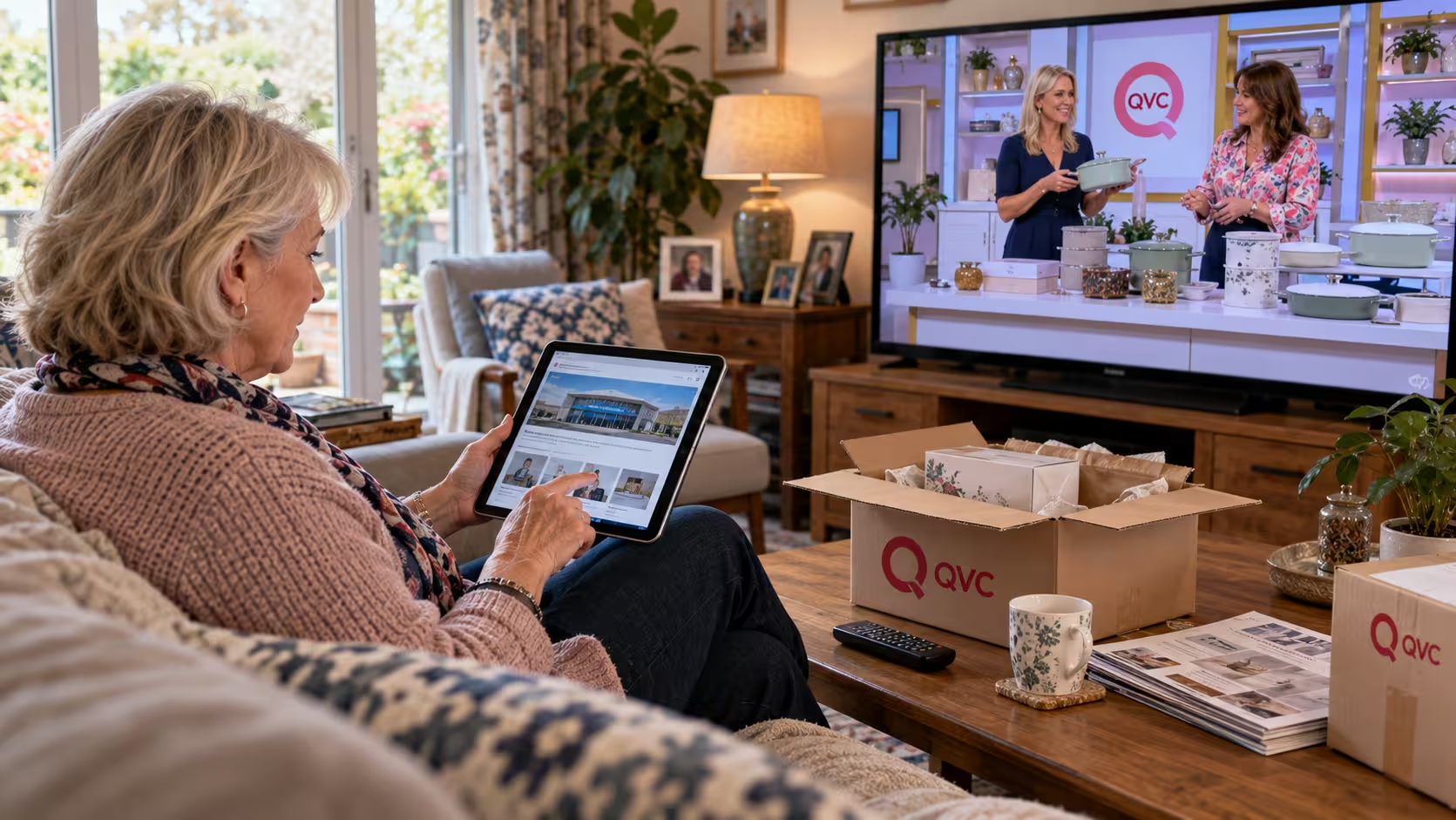
No, QVC is not going out of business in 2026. The company went through a major financial restructuring after QVC Group and certain US subsidiaries filed for Chapter 11 bankruptcy protection on 16 April 2026. That process has now ended.
QVC Group officially emerged from Chapter 11 on 6 August 2026, after reducing its total debt by more than $5 billion and securing access to a new $600 million lending facility.
The company is still operating and is now attempting to rebuild around social commerce, streaming and digital shopping rather than relying as heavily on traditional television.
The important question is therefore no longer whether QVC will disappear because of its bankruptcy filing. It is whether the reorganised business can successfully complete its wider turnaround.
What Is QVC’s Current Business Status in 2026?
QVC is currently operating as a reorganised business following the completion of its Chapter 11 restructuring.
The company entered the court-supervised process in April 2026 and emerged less than four months later. Its brands continued trading during the proceedings, while its international operations were largely kept outside the bankruptcy process.
QVC confirmed that its restructuring reduced total debt by more than $5 billion.
The reorganised company also gained access to a $600 million asset-based lending facility and received approval for its new common shares to trade on Nasdaq under the ticker QVCG.
Trading under QVCG began on 10 August 2026.
This means QVC’s present situation is very different from the position it was in when bankruptcy headlines first appeared. Chapter 11 has been completed, but its commercial turnaround is still continuing.
What Key Factors Caused QVC’s Financial Problems?
QVC’s difficulties were not caused by one single event. Several long-term and short-term pressures developed at the same time.
One of the biggest problems was the structural decline of traditional television. QVC built much of its business around linear TV shopping, but consumers increasingly moved towards streaming, ecommerce, mobile devices and social platforms.
QVC’s bankruptcy materials identified several major pressures:
- Cord Cutting: Fewer households were relying on traditional cable television, weakening one of QVC’s most important customer acquisition channels.
- Changing Shopping Habits: Consumers increasingly discovered products through social media, streaming platforms and online marketplaces.
- Heavy Debt: QVC entered restructuring with approximately $6.6 billion of debt, limiting its financial flexibility.
- Competitive Pressure: Large ecommerce and retail businesses offered customers more ways to compare products, prices and delivery options.
- Tariffs: Changes in international trade policy during 2025 increased product and sourcing costs.
- Higher Operating Costs: Freight, warehousing, product and advertising expenses added further pressure.
- Rocky Mount Fire: QVC’s major North Carolina fulfilment centre was severely damaged by fire in December 2021 and never reopened.
The Rocky Mount facility had previously processed around 25% to 30% of QVC US volume, making the disruption particularly significant.
Former chief executive David Rawlinson had already acknowledged several of these pressures before Chapter 11. In February 2025, he said the company had spent the previous years dealing with the warehouse fire, the post-COVID retail adjustment and significant cord cutting.
QVC therefore entered 2026 with both a business-model problem and a balance-sheet problem.
Why Did QVC File for Chapter 11 Bankruptcy?
QVC used Chapter 11 primarily to restructure its debt rather than liquidate the business.
On 16 April 2026, QVC Group and certain US subsidiaries filed voluntary Chapter 11 petitions in the US Bankruptcy Court for the Southern District of Texas.
The restructuring had already been negotiated with a significant majority of lenders and noteholders, meaning QVC entered what is known as a prepackaged Chapter 11 process.
The objective was to reduce debt from approximately $6.6 billion to around $1.3 billion while allowing the company to continue operating.
The QVC Group restructuring announcement said international operations were excluded from the US proceedings and customer-facing operations would continue normally.
This distinction matters. QVC was not filing Chapter 11 because management planned to shut down all of its operations. The process was intended to change the company’s financial structure and give its turnaround strategy more room to operate.
What Did QVC Officially Say When The Restructuring Began?
When the Chapter 11 process started, QVC emphasised that normal trading would continue.
Management said the company had sufficient liquidity to support operations and expected vendors, suppliers and other general unsecured creditors of the filing entities to be paid in full.
It also said:
- Customer Operations Would Continue Normally
- Retail Locations Would Remain Open
- Existing Merchandise Policies Would Remain In Place
- Branded Credit Cards Would Continue Functioning
- Employees Would Continue Receiving Wages And Benefits
- No Restructuring-Related Layoffs Or Furloughs Were Planned
Rawlinson argued that QVC had already started seeing momentum in its WIN Growth Strategy, particularly through TikTok Shop, streaming and new media partnerships.
The message from management was consistent throughout the process. QVC viewed the bankruptcy restructuring as a financial tool supporting its transformation rather than an end to the business.
What Happened From The Chapter 11 Filing To QVC’s Bankruptcy Exit?
QVC moved through Chapter 11 relatively quickly because much of the restructuring had been negotiated before the formal filing.
| Date | Development |
|---|---|
| 16 April 2026 | QVC Group and certain US subsidiaries filed for Chapter 11 |
| 15 July 2026 | Bankruptcy court approved the restructuring plan |
| 20 July 2026 | Formal confirmation order was entered |
| 6 August 2026 | The restructuring became effective and QVC emerged from Chapter 11 |
| 10 August 2026 | Reorganised QVC Group began Nasdaq trading as QVCG |
The court-approved restructuring is documented in QVC’s SEC restructuring filings.
The filings confirm that the court entered its confirmation order on 20 July and that the restructuring became effective on 6 August.
The original QVC Group corporate structure was reorganised as part of that process, while old equity interests were cancelled under the bankruptcy plan.
How Did The Restructuring Change QVC’s Debt And Financial Position?
The most significant result was the reduction in debt.
Before restructuring, QVC Group had approximately $6.6 billion of debt. After emergence, that amount was reduced to roughly $1.3 billion, removing more than $5 billion from the company’s balance sheet.
The reorganised company also secured access to a $600 million asset-based lending facility.
That matters because a lower debt burden can reduce financing pressure and allow more resources to be directed towards operations and investment.
The restructuring did not, however, automatically solve QVC’s declining television audience or competitive problems. It primarily addressed the company’s capital structure.
QVC still needs its newer sales channels to produce enough growth to offset weakness in its traditional business.
What Is QVC’s Comeback Plan After Bankruptcy?
QVC’s recovery strategy centres on its three-year WIN Growth Strategy, which is designed to transform the company from a traditional television-shopping business into a broader live social shopping company.
WIN Growth Strategy
WIN represents three areas of focus:
- Wherever She Shops: Reach customers across the platforms where they already spend time.
- Inspiring People And Products: Use personalities, demonstrations and content to differentiate the shopping experience.
- New Ways Of Working: Improve operating efficiency and modernise how the company works.
TikTok Shop And Social Commerce
Social shopping has become one of QVC’s biggest strategic priorities.
QVC reported acquiring nearly one million new US customers through TikTok Shop during 2025. It also said the QVC US customer file grew for the first time in more than four years.
QVC wants to use its experience with presenters, product demonstrations and live selling in the faster-growing social commerce market.
Streaming Through QVC+ And HSN+
Streaming is another central part of the turnaround.
QVC said QVC+ and HSN+ had approximately 1.5 million monthly active users, while sales attributed to streaming increased 19% during 2025.
Rather than abandoning video shopping, QVC is effectively attempting to move the format from traditional cable television onto newer digital platforms.
Operational And Cost Improvements
The strategy also involves improving efficiency.
QVC has consolidated parts of QVC and HSN operations, developed additional media partnerships and adjusted sourcing in response to changes in tariffs.
The company therefore needs both sides of the turnaround to work. Financial restructuring has lowered debt, while digital growth needs to stabilise revenue.
What Have QVC Executives Said About The Company’s Recovery?
Management has consistently described the restructuring as one part of a wider transformation.
When the bankruptcy court approved the restructuring plan in July, Rawlinson described it as a significant turning point and said the reduced debt would allow QVC to focus more heavily on live social shopping.
When QVC emerged from Chapter 11 in August, Rawlinson stepped down as president and chief executive.
He said his leadership had focused on two broad goals. The first was stabilising QVC after disruption including cord cutting, tariffs and the Rocky Mount fire. The second was establishing new growth platforms while improving the company’s debt position.
The company then moved into another phase of the turnaround under new leadership.
Who Is Leading QVC After David Rawlinson Stepped Down?
Former QVC chief executive Mike George returned as interim CEO in August 2026 and was also appointed chair of the board.
George previously led QVC for more than 15 years, meaning the company selected an executive with extensive knowledge of its traditional business while searching for permanent leadership.
The reorganised company also introduced a new board.
George has said the next phase will involve continuing to develop new shopping experiences and evolving the business to create value for customers and other stakeholders.
The appointment of a permanent CEO is therefore one of the important milestones still ahead for QVC.
Does QVC Have A Recovery Deadline And What Milestones Come Next?
QVC has not announced a fixed date by which its entire business recovery is guaranteed to be completed.
This is important because the completion of Chapter 11 should not be confused with the completion of the company’s turnaround.
The WIN programme was introduced as a three-year growth strategy. QVC’s restructuring materials also described the turnaround as still being several stages away from full realisation.
The next indicators to watch include:
- Permanent Leadership: Appointment of a long-term chief executive.
- Revenue Stability: Evidence that falling traditional-TV revenue can be replaced by newer channels.
- Social Commerce Growth: Continued customer and sales growth through platforms such as TikTok.
- Streaming Growth: Expansion of audiences and revenue generated through QVC+ and HSN+.
- Profitability: Evidence that digital growth can translate into sustainable earnings.
- Debt Management: Ability to manage the remaining approximately $1.3 billion debt load.
- Customer Growth: Continued expansion beyond QVC’s traditional television audience.
QVC has said that the stronger balance sheet, combined with growth in social commerce and streaming, is expected to help stabilise the company and support sustainable growth over time. It has not promised that recovery will be completed by one specific calendar date.
Is QVC UK Affected By The Restructuring?
QVC UK was not included in the main US Chapter 11 process.
When QVC announced the restructuring, it specifically said its international operations were outside the proceedings, apart from a non-operating Luxembourg subsidiary. Operations in the UK, Germany, Japan and Italy continued normally.
There is also current evidence that QVC UK remains an active British company.
The official Companies House record for QVC UK lists company number 02807164 as active. Its registered activities include internet and mail-order retailing and television programme production.
For UK customers, the US restructuring therefore did not mean that QVC UK had gone out of business.
The important distinction is between the restructuring of the US parent and selected affiliates and the continuing operations of QVC’s international businesses.
What Risks Could Still Affect QVC’s Recovery?
Emerging from Chapter 11 has substantially improved QVC’s financial position, but several commercial challenges remain.
The largest is the continued decline of traditional television. QVC needs digital growth to happen fast enough to compensate for customers moving away from cable and satellite viewing.
Other risks include:
- Strong Ecommerce Competition: Customers have many alternatives for comparing products, prices and delivery.
- Social Commerce Competition: QVC is expanding into a market already filled with creators, brands and platform-native sellers.
- Customer Demographics: The company needs to attract new generations of shoppers while retaining its established customer base.
- Tariff Pressure: Changes in international trade policy can increase sourcing and product costs.
- Operating Costs: Freight, warehousing, advertising and customer acquisition remain important expenses.
- Leadership Transition: QVC still needs permanent leadership capable of executing the next phase of the turnaround.
- Execution Risk: Strong TikTok or streaming engagement does not automatically guarantee sustainable company-wide revenue growth.
Chapter 11 gave QVC a healthier financial foundation. The harder test now is whether the company’s new strategy can generate lasting commercial growth.
Final Answer: Is QVC Going Out Of Business In 2026?
QVC is not going out of business in 2026. The company did file for Chapter 11 bankruptcy protection in April, but that restructuring has already been completed.
QVC emerged from Chapter 11 on 6 August 2026, having reduced its debt by more than $5 billion and obtained access to a new $600 million lending facility. It subsequently began trading on Nasdaq under the new QVCG ticker.
The bankruptcy process solved a major part of QVC’s balance-sheet problem, but it did not complete the company’s wider recovery.
QVC must now prove that its WIN Growth Strategy can compensate for declining traditional television audiences by growing TikTok Shop, streaming, ecommerce and other forms of live social shopping.
For UK customers, the position is clearer. QVC UK remains active and was outside the main US Chapter 11 proceedings.
The story in late 2026 is therefore not one of QVC shutting down. It is one of a major retailer that has completed its financial restructuring and is now trying to prove that its digital comeback can work.
Frequently Asked Questions
Is QVC Still In Bankruptcy?
No. QVC Group emerged from Chapter 11 on 6 August 2026 after completing its financial restructuring.
How Much Debt Did QVC Eliminate?
QVC reduced its total debt by more than $5 billion, taking it from approximately $6.6 billion before restructuring to around $1.3 billion after emergence.
What Is QVC’s WIN Growth Strategy?
WIN is QVC’s three-year transformation strategy focused on reaching consumers across more shopping platforms, improving product-led content and introducing more efficient ways of working. Social commerce and streaming are central parts of the strategy.
Is QVC UK Closing Down?
There is currently no announced closure of QVC UK. The UK operation was excluded from the main US Chapter 11 process and remains listed as an active company in the United Kingdom.